Introduction
A garden fence does far more than simply mark the boundaries of your property. It can create privacy, enhance security, and define the overall style of your outdoor space. The right fence design transforms a plain garden into a beautiful sanctuary, adding character while serving practical functions.
From classic wooden pickets to sleek glass panels and eco-friendly bamboo walls, garden fencing comes in countless variations. Some styles emphasize rustic charm, others modern sophistication, while many combine durability with sustainability. Whether you want to block prying eyes, create a green living wall, or add decorative flair, there’s a fence design to fit your needs.
This article explores 42 inspiring garden fence ideas that balance privacy and aesthetics. Each idea includes an overview, advantages, disadvantages, and style tips to help you choose the perfect design for your outdoor retreat.
1. Wooden Picket Fences
Overview: A timeless favorite, wooden picket fences create a warm and welcoming boundary. They’re usually waist-high with evenly spaced vertical boards.
Best For: Front yards, cottage gardens, and traditional homes.
Pros: Affordable, customizable, classic charm.
Cons: Needs repainting or staining over time.
Style Tip: Paint it white for a traditional look, or choose bold colors to modernize the style.
2. Vinyl Fencing
Overview: Vinyl fencing offers the look of wood without the upkeep. It resists weathering and lasts for decades.
Best For: Homeowners seeking low-maintenance fencing.
Pros: Durable, easy to clean, variety of styles.
Cons: Higher initial cost.
Style Tip: Opt for lattice-topped vinyl panels to combine privacy with elegance.
3. Metal Fencing
Overview: Wrought iron and aluminum fences combine strength with elegance. Depending on the design, they can look ornate or minimalist.
Best For: Gardens needing both security and sophistication.
Pros: Very strong, long lifespan, decorative potential.
Cons: Less privacy, can be costly.
Style Tip: Add climbing vines to soften the metal structure.
4. Bamboo Fences
Overview: Natural and eco-friendly, bamboo fences bring a tropical flair. They come in rolled panels or vertical poles.
Best For: Zen gardens, eco-conscious designs.
Pros: Sustainable, lightweight, affordable.
Cons: Can weather quickly without treatment.
Style Tip: Seal bamboo with natural oil to extend its life.
5. Stone Fencing
Overview: Stone fences are strong, rustic, and unique to the materials used in your region.
Best For: Countryside and traditional landscapes.
Pros: Incredibly durable, low maintenance.
Cons: Heavy and expensive to install.
Style Tip: Mix stone with wood or metal gates for a balanced look.
6. Hedge Fencing
Overview: Living fences made from shrubs or trees create lush, green barriers.
Best For: Naturalistic and eco-friendly gardens.
Pros: Improves air quality, provides sound insulation, habitat for wildlife.
Cons: Needs trimming and care.
Style Tip: Use evergreens to keep privacy year-round.
7. Chain-Link Fencing
Overview: Functional and economical, chain-link fences offer security without blocking airflow.
Best For: Pet enclosures, backyards, and large properties.
Pros: Affordable, low maintenance, durable.
Cons: Not very attractive, minimal privacy.
Style Tip: Add privacy slats or grow ivy along the fence.
8. Trellis Fencing
Overview: Trellis panels feature a crisscross pattern, perfect for climbing plants.
Best For: Gardens that highlight flowers and vines.
Pros: Decorative, lightweight, plant-friendly.
Cons: Only partial privacy.
Style Tip: Create a garden partition by combining trellis panels with tall planters.
9. Gabion Walls
Overview: Wire cages filled with stones or bricks, creating strong, industrial-style barriers.
Best For: Modern and industrial landscapes.
Pros: Durable, unique, excellent drainage.
Cons: Heavy and labor-intensive to build.
Style Tip: Use decorative stones to create patterns within the cages.
10. Composite Fences
Overview: A blend of wood fibers and plastic, composite fences are stylish and long-lasting.
Best For: Eco-friendly homeowners.
Pros: Resistant to rot and insects, minimal upkeep.
Cons: Higher cost than wood.
Style Tip: Choose darker shades for a sleek, modern look.
11. Garden Gates
Overview: A garden gate acts as both a security feature and a decorative element.
Best For: Entryways and connecting outdoor spaces.
Pros: Customizable, available in wood, metal, or vinyl.
Cons: Needs to match the surrounding fence.
Style Tip: Use an arched gate with climbing roses for charm.
12. Lattice Fencing
Overview: Crisscrossed patterns made from wood or vinyl provide a delicate yet useful screen.
Best For: Creating garden rooms and partitions.
Pros: Supports plants, adds visual interest.
Cons: Limited privacy.
Style Tip: Paint lattice panels in soft colors to blend with flowers.
13. Rustic Split Rail Fences
Overview: Made from logs or rough-hewn wood, these fences have a countryside feel.
Best For: Large properties, rustic gardens.
Pros: Affordable, low maintenance.
Cons: Provides little privacy.
Style Tip: Add wire mesh to keep pets and children safe.
14. Living Walls
Overview: Vertical gardens attached to fences turn them into lush, green walls.
Best For: Small yards, eco-friendly designs.
Pros: Improves air quality, maximizes space.
Cons: Needs regular watering and maintenance.
Style Tip: Mix herbs and flowers for a colorful, useful wall.
15. Glass Fencing
Overview: Made from tempered glass panels, this fencing style is modern and unobtrusive.
Best For: Scenic gardens and pool areas.
Pros: Doesn’t block views, durable, elegant.
Cons: Requires cleaning to avoid smudges.
Style Tip: Use frameless glass panels for a minimalist finish.
16. Wattle Fences
Overview: Woven from willow or hazel branches, wattle fences are traditional yet stylish.
Best For: Cottage gardens, rustic settings.
Pros: Eco-friendly, handmade charm.
Cons: Less durable than modern options.
Style Tip: Use wattle as a decorative accent rather than a full boundary.
17. Recycled Material Fences
Overview: Built from repurposed items like pallets or metal sheets, these fences are sustainable and unique.
Best For: Creative, eco-friendly homeowners.
Pros: Budget-friendly, customizable.
Cons: May not look uniform.
Style Tip: Paint recycled wood in multiple colors for a playful design.
18. Trex Fencing
Overview: A branded form of composite fencing, Trex combines recycled wood and plastic.
Best For: Modern and eco-friendly gardens.
Pros: Extremely durable, insect-resistant.
Cons: Costlier than standard wood.
Style Tip: Pair Trex with stone landscaping for a balanced design.
19. Horizontal Slat Fences
Overview: Sleek, modern fencing made from horizontal slats of wood or metal.
Best For: Contemporary urban homes.
Pros: Clean lines, customizable spacing.
Cons: Less traditional appeal.
Style Tip: Mix wood slats with black metal posts for contrast.
20. Pallet Fences
Overview: Recycled wooden pallets make affordable and rustic fencing.
Best For: DIY projects, budget gardens.
Pros: Cheap, sustainable, easy to assemble.
Cons: Needs treatment against rot.
Style Tip: Add paint or hanging planters to pallets for charm.
21. Slatted Fencing
Overview: Similar to horizontal fencing but with adjustable spacing.
Best For: Modern gardens needing airflow.
Pros: Stylish, allows light, semi-private.
Cons: Not fully opaque.
Style Tip: Stain slats in contrasting shades for a bold effect.
22. Corrugated Metal Fencing
Overview: Durable and industrial, corrugated metal panels add texture.
Best For: Urban or rustic-industrial designs.
Pros: Weatherproof, low maintenance.
Cons: May look harsh without soft landscaping.
Style Tip: Combine with wood frames to warm up the look.
23. Reed or Cane Fences
Overview: Panels made from natural reeds or canes offer a tropical aesthetic.
Best For: Zen and coastal gardens.
Pros: Lightweight, affordable, eco-friendly.
Cons: Shorter lifespan.
Style Tip: Use reed panels as temporary privacy screens.
24. Privacy Screens
Overview: Standalone screens made from wood, metal, or fabric create secluded corners.
Best For: Small patios, urban yards.
Pros: Flexible, decorative, movable.
Cons: Not as sturdy as permanent fences.
Style Tip: Choose laser-cut metal screens for artistic patterns.
25. Electric Fencing
Overview: Used mainly for farms, electric fencing deters animals with a mild current.
Best For: Rural properties.
Pros: Effective for containment.
Cons: Not decorative, requires monitoring.
Style Tip: Combine with natural hedges for a softer look.
26. Brushwood Fencing
Overview: Made from densely packed brushwood, this fence blends into natural surroundings.
Best For: Secluded, rustic gardens.
Pros: Natural, provides good windbreak.
Cons: Can deteriorate without treatment.
Style Tip: Use as a backdrop for flower beds.
27. Picket Fence Panels
Overview: Pre-assembled picket panels make installation quick.
Best For: Traditional front yards.
Pros: Easy setup, charming appearance.
Cons: Limited height options.
Style Tip: Add decorative post caps for extra flair.
28. Concrete Fencing
Overview: Solid and secure, concrete fences offer strength with decorative options.
Best For: Modern landscapes, high-security areas.
Pros: Durable, soundproofing benefits.
Cons: Expensive, labor-intensive.
Style Tip: Paint or texture concrete for warmth.
29. Moss Walls
Overview: Vertical panels covered with moss add a soft, green touch.
Best For: Shady gardens, eco-friendly spaces.
Pros: Low maintenance, visually unique.
Cons: Limited to certain climates.
Style Tip: Use moss walls as accent panels alongside other fencing.
30. Rope and Post Fencing
Overview: Simple posts connected by rope, offering a nautical vibe.
Best For: Coastal and casual gardens.
Pros: Affordable, easy to install.
Cons: Provides no privacy.
Style Tip: Use thick white ropes for a seaside feel.
31. Electric Mesh Fencing
Overview: A mesh netting with mild electric current, designed to keep wildlife out.
Best For: Vegetable gardens and farms.
Pros: Effective deterrent, portable.
Cons: Requires regular checks.
Style Tip: Use temporarily around delicate crops.
32. Modular Fencing
Overview: Prefabricated panels that fit together for customizable layouts.
Best For: Homeowners wanting flexibility.
Pros: Easy to adjust, stylish.
Cons: May cost more than traditional options.
Style Tip: Mix panel designs to create zones in your garden.
33. Log Fencing
Overview: Made from stacked logs, this style feels rustic and sturdy.
Best For: Cabins and woodland gardens.
Pros: Strong, natural aesthetic.
Cons: Requires maintenance against pests.
Style Tip: Leave bark on logs for authentic charm.
34. Brushwood Panels
Overview: Thick panels of twigs provide privacy and blend with greenery.
Best For: Natural landscapes.
Pros: Affordable, rustic look.
Cons: Moderate lifespan.
Style Tip: Pair with stone pathways for harmony.
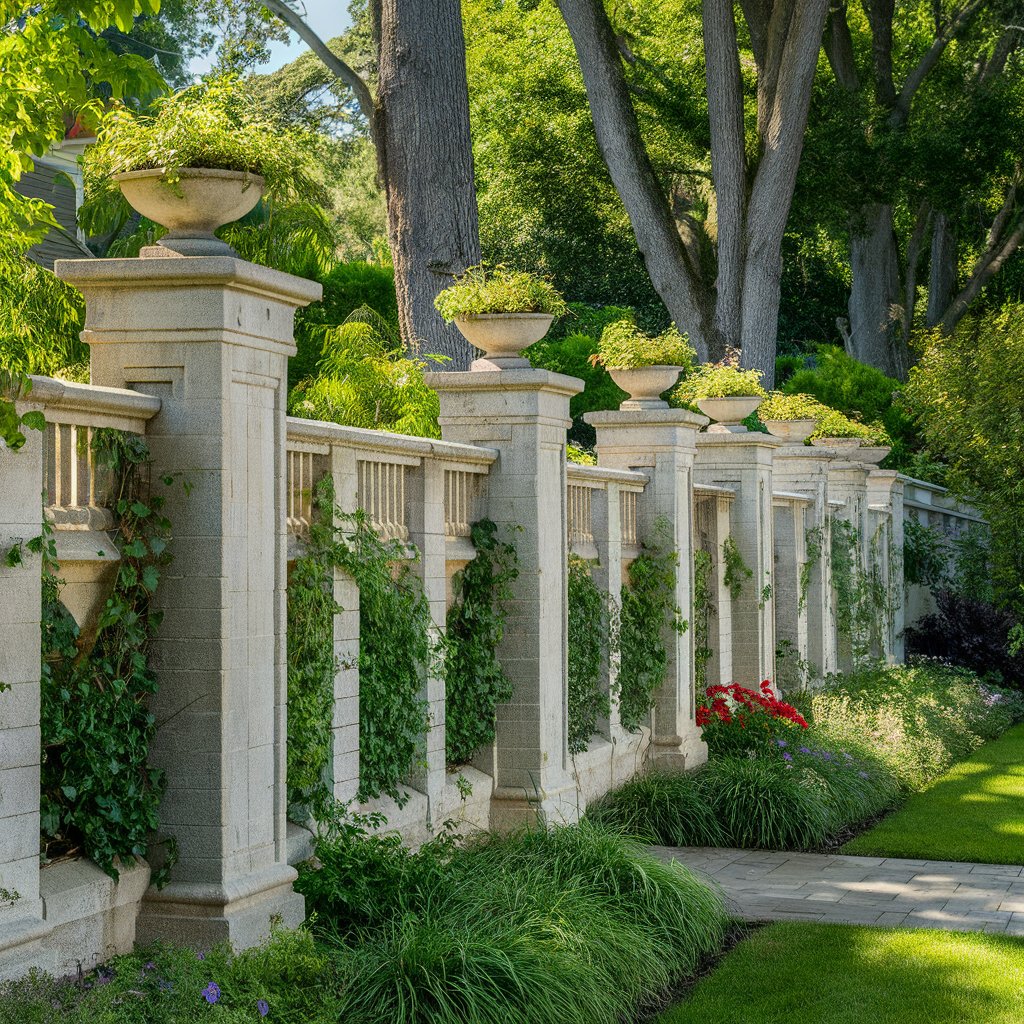
35. Garden Walls
Overview: Permanent walls made of brick, stone, or concrete.
Best For: Formal gardens.
Pros: Extremely durable, excellent privacy.
Cons: Expensive, permanent.
Style Tip: Add climbing plants to soften the wall.
36. Reed Roll Fencing
Overview: Flexible rolls of reeds that attach to existing fences.
Best For: Quick privacy solutions.
Pros: Cheap, lightweight, easy to install.
Cons: Not very long-lasting.
Style Tip: Use as a temporary screen on balconies.
37. Garden Netting
Overview: Netting protects plants from pests while allowing light and air through.
Best For: Vegetable gardens.
Pros: Lightweight, inexpensive, versatile.
Cons: Minimal decorative value.
Style Tip: Combine with trellises for climbing plants.
38. Trellis with Planters
Overview: A trellis combined with built-in planters for vertical greenery.
Best For: Small gardens with limited ground space.
Pros: Functional, space-saving, decorative.
Cons: Needs regular watering.
Style Tip: Grow colorful flowers for a vibrant screen.
39. Dry Stone Wall
Overview: A handcrafted wall using interlocking stones without mortar.
Best For: Rustic and historic gardens.
Pros: Strong, traditional, blends with nature.
Cons: Labor-intensive.
Style Tip: Let moss grow naturally to enhance its character.
40. Rope Fencing
Overview: Simple rope fencing creates informal boundaries.
Best For: Relaxed, natural gardens.
Pros: Cheap, easy to set up.
Cons: No privacy, low security.
Style Tip: Use decorative knots for visual interest.
41. Solar-Powered Fence Panels
Overview: A modern fence design that integrates solar lights into the panels or posts, illuminating your garden at night.
Best For: Contemporary gardens and eco-friendly homes.
Pros: Energy-efficient, enhances security, adds ambiance after dark.
Cons: Higher upfront cost compared to standard fencing.
Style Tip: Choose warm white solar lights for a cozy glow, or colored LEDs for a playful atmosphere.
42. Mixed-Material Fencing
Overview: Combines two or more materials—such as wood with metal, stone with glass, or bamboo with steel—for a stylish, custom look.
Best For: Homeowners wanting a unique, high-end aesthetic.
Pros: Highly customizable, visually striking, durable when done right.
Cons: May be costly, requires skilled installation.
Style Tip: Use stone for the base and wood slats on top for a balanced mix of natural and modern design.
Conclusion
The perfect garden fence balances privacy, style, and practicality. Some homeowners prefer classic solutions like picket fences or stone walls, while others lean toward modern minimalism with glass or horizontal slats. Eco-friendly options such as bamboo and living walls are ideal for sustainable gardens, while budget-friendly designs like pallets or reed rolls provide creativity at a low cost.
When choosing your fence, consider:
- Purpose: Do you need privacy, security, or decoration?
- Maintenance: Do you prefer low-upkeep materials or living fences that require care?
- Budget: Are you looking for affordable DIY options or long-term investments?
- Style: Do you want rustic charm, modern sleekness, or natural greenery?