The Victorian era, spanning from the mid to late 19th century, remains a rich source of inspiration for interior design enthusiasts. Revered for its intricate detailing, regal color palettes, and luxurious textures, Victorian design blends romanticism with refined elegance. Today, this classic style continues to evolve, offering homeowners the perfect opportunity to create interiors that feel timeless, warm, and full of personality.
Whether you live in a period home or want to add vintage flair to a modern space, these 27 Victorian interior design ideas will guide you in curating a space that reflects the sophistication and ornate charm of a bygone era.
1. Ornate Fireplaces as Statement Pieces
A Victorian home often centers around an eye-catching fireplace. Whether carved from marble, limestone, or dark wood, these elaborate hearths command attention. Intricate mantel detailing, decorative tiles, and over-mantel mirrors are all signature features. Place a large, gold-framed mirror above or pair with antique candlesticks to complete the look.
Design Tip: Opt for faux vintage surrounds or electric inserts if you’re updating a modern space.
2. Velvet Upholstery for Luxurious Texture
Velvet, with its soft sheen and tactile richness, is synonymous with Victorian opulence. Introduce this plush fabric through armchairs, chaise lounges, ottomans, or floor-length drapes. Deep jewel tones such as emerald, sapphire, ruby, and amethyst create a rich, inviting ambiance.
Design Tip: Mix velvet with other textures like silk cushions or fringe trims to enhance visual interest.
3. Intricate Wallpaper for Depth and Drama
Victorian interiors rarely embraced plain walls. Ornate wallpaper patterns—like damask, florals, or paisleys—brought life and texture to every room. Choose bold patterns with gold accents or opt for a moody palette in navy, plum, or forest green.
Design Tip: Pair wallpaper with wooden wainscoting or dado rails for a historically accurate touch.
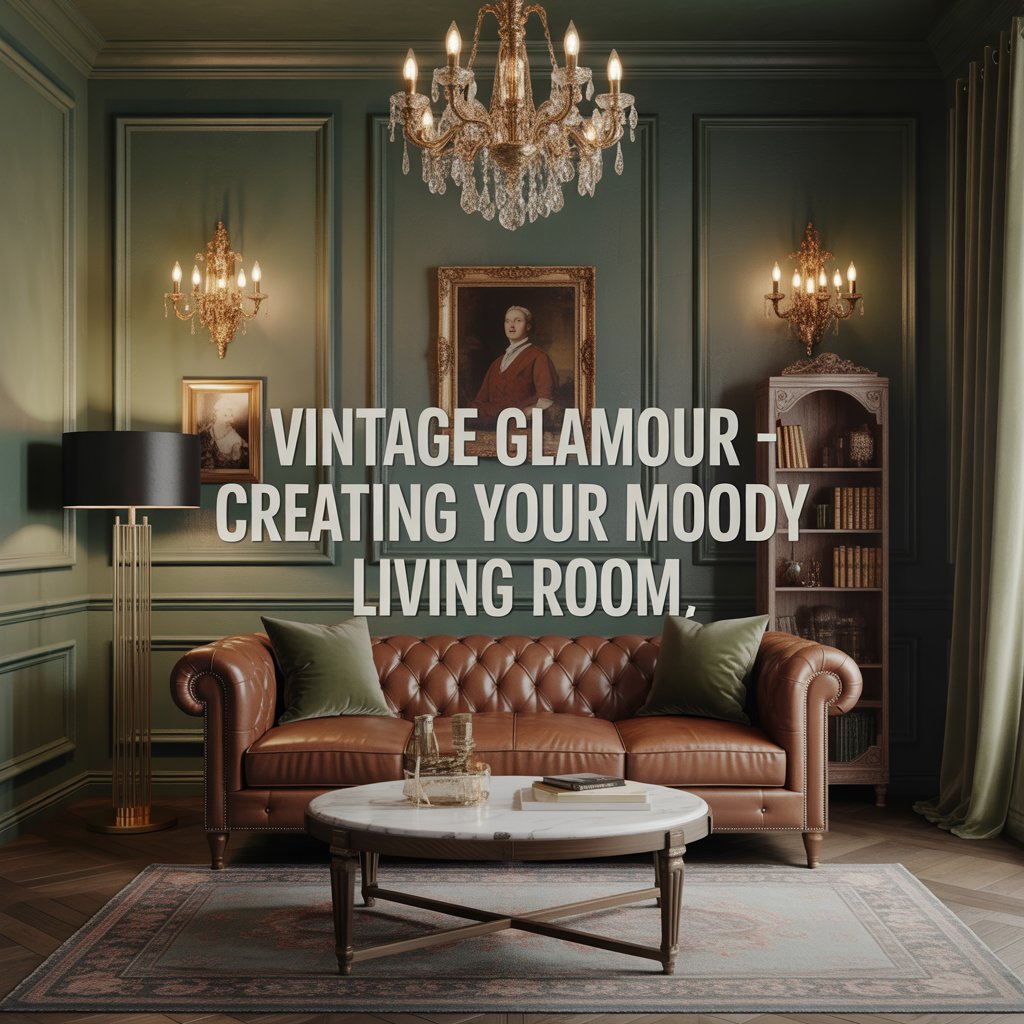
4. Crystal Chandeliers for Glamorous Lighting
A hallmark of Victorian decor is the use of statement lighting. Crystal chandeliers—whether dripping with prisms or adorned with brass arms—infuse spaces with elegance and light play. Hang one in the entryway, above the dining table, or even in a grand bathroom.
Design Tip: Dimmer switches will allow you to create soft, ambient lighting to match the room’s mood.
5. Dark Wood Furniture for Classic Elegance
Mahogany, walnut, and rosewood dominate Victorian furnishings. Look for pieces with turned legs, curved edges, and carved embellishments. A high-back chair, a roll-top writing desk, or an antique armoire can serve as a centerpiece in any room.
Design Tip: Mix antique and reproduction pieces to stay on budget without compromising on style.
6. Stained Glass Accents for Artistic Flair
Stained glass isn’t just for church windows—it was a beloved feature in Victorian homes. Use it in sidelights, transoms, or cabinet doors. Whether floral, geometric, or heraldic in design, stained glass filters light beautifully and adds rich color to interiors.
Design Tip: Faux stained-glass window film offers a budget-friendly alternative.
7. Gilded Mirrors to Brighten and Enlarge
Mirrors framed in gold, brass, or wood with ornate detailing add both luxury and practicality. In Victorian interiors, they were used to reflect light, enhance space, and showcase wealth.
Design Tip: Place large mirrors opposite windows or chandeliers to bounce light and make rooms feel bigger.
8. Patterned Rugs to Ground the Space
Persian, Turkish, and Oriental rugs—rich in color and pattern—were staples in Victorian homes. They provide a warm base for sitting areas, anchor furniture, and contribute layers of visual interest.
Design Tip: Choose rugs with fringe details or medallion centers for period-appropriate style.
9. Heavy Drapes with Layers
Victorian window treatments were elaborate. Start with lace sheers and layer with velvet or brocade drapes. Use tassel tiebacks, valances, and cornices to complete the formal look.
Design Tip: Floor-to-ceiling curtains make ceilings feel higher and rooms more luxurious.
10. Ceiling Medallions and Crown Molding
Architectural embellishments like ceiling medallions and decorative crown molding elevate a space. Traditionally made from plaster, they highlight light fixtures and frame the room with elegance.
Design Tip: Paint moldings in off-white or gold for a subtle contrast against rich-colored walls.
11. Clawfoot Tubs for Vintage Bathrooms
Few pieces capture Victorian luxury better than the clawfoot bathtub. These freestanding tubs are not only visually striking but offer an indulgent bathing experience. Pair with vintage faucets or a handheld sprayer for full effect.
Design Tip: Place the tub near a large window and use a chandelier overhead for a spa-like retreat.
12. Floral or Damask Curtains for Extra Elegance
Beyond heavy velvet, Victorian interiors loved richly patterned fabrics. Damask, brocade, or floral-printed curtains echo the era’s love of nature and decoration. These can be used for both privacy and elegance.
Design Tip: For a modern twist, pair floral curtains with neutral walls and brass rods.
13. Antique-Style Lighting Fixtures
Oil lamps, candle sconces, and etched-glass lanterns add romantic ambiance. Use wall sconces in hallways or lantern pendants over staircases to reinforce a historic vibe.
Design Tip: Opt for LED-compatible vintage-style bulbs for energy efficiency.
14. Wainscoting and Wood Paneling
Traditional Victorian homes used wainscoting not just for style, but for protection. It provides a beautiful backdrop for wallpaper and gives a room depth and balance.
Design Tip: Paint paneling in deep green, burgundy, or navy to create a moody Victorian palette.
15. Nature-Inspired Prints and Art
Botanical illustrations, floral fabrics, and nature-themed decor were central to the Victorian love of the natural world. Display framed ferns, pressed flowers, or vintage insect prints in gallery walls.
Design Tip: Use brass or wood frames with aged matting to keep the vintage theme consistent.
16. Four-Poster Beds for Regal Bedrooms
Victorian bedrooms were intimate yet opulent. Four-poster or canopy beds draped with luxurious textiles were the ultimate statement. Carved posts and headboards created visual drama.
Design Tip: Use layered linens, velvet throws, and monogrammed pillows for a historically inspired touch.
17. Marble Surfaces for Elevated Luxury
Whether used in tabletops, mantels, or bathroom vanities, marble introduces a sophisticated element. White with gray veining or deep green options work particularly well with Victorian color schemes.
Design Tip: Marble-effect tiles or countertops offer budget-friendly alternatives.
18. Canopy Beds for Romantic Appeal
A variation of the four-poster, the canopy bed is ideal for softening a bedroom’s atmosphere. Lace, silk, or heavy drapes can be added depending on the season.
Design Tip: Drape fabric only over the head or footboard to modernize the look.
19. Formal Parlor or Sitting Room
Victorian homes often featured a parlor—a space meant for entertaining guests or relaxing with a book. Create one with high-back chairs, an antique coffee table, and plush sofas.
Design Tip: Incorporate a piano or fireplace for a well-rounded Victorian atmosphere.
20. Carved Wood Accents
From staircases to headboards, carved wood detailing was a way to showcase craftsmanship and status. Look for floral scrolls, lion paw feet, and beadwork trim in vintage furniture.
Design Tip: Don’t overdo it—balance heavily carved pieces with simpler textiles or flooring.
21. Brass and Gold-Tone Hardware
Victorian homes used brass extensively—in doorknobs, drawer pulls, lighting, and railings. It brought warmth and polish to darker rooms.
Design Tip: Swap out modern hardware for brass or brushed gold versions to instantly age your furnishings.
22. Dramatic Staircases with Curves and Carvings
A Victorian staircase isn’t just a pathway—it’s a design feature. Think elaborate banisters, curved railings, or newel posts topped with finials.
Design Tip: Add a patterned carpet runner or stair rods for an authentic touch.
23. Lace as a Softening Element
Lace balances the heavier fabrics used in Victorian interiors. From curtains to doilies, its delicate texture adds charm and lightness.
Design Tip: Use lace over darker woods or with rich colors to prevent the room from feeling too heavy.
24. High Ceilings with Vertical Drama
Victorian homes often featured tall ceilings and vertical design emphasis. Floor-to-ceiling bookcases, tall drapes, and vertically striped wallpaper help replicate this spacious feel.
Design Tip: Use vertical paneling or art to visually “lift” the ceiling height in lower spaces.
25. Porcelain and China Display
Decorative porcelain, often floral and gold-trimmed, was proudly displayed in Victorian homes. Use glass-front cabinets, plate rails, or open shelves to highlight your favorite china.
Design Tip: Group items by color or motif for a cohesive, elegant display.
26. Victorian-Inspired Wall Art and PortraitsNo Victorian interior feels complete without classic wall art. Popular choices include oil paintings of landscapes, portraits in ornate frames, and still-life scenes featuring flowers or fruit. These pieces add cultural richness and a sense of timeless tradition.
Design Tip: Look for vintage-style frames in antique gold or dark wood. Gallery walls with symmetrical placement can help create a salon-style effect reminiscent of 19th-century drawing rooms.
27. Tiled Entryways and Fireplaces
Victorian homes frequently featured colorful encaustic or geometric tilework—especially in entryways, hearths, and bathroom floors. These patterned tiles created visual impact and offered durability.
Design Tip: Choose vintage-inspired ceramic or cement tiles in checkerboard or mosaic patterns. A tiled hearth beneath a fireplace instantly adds period-accurate detail and personality.
Final Thoughts: Reimagining Victorian Style for Today
Victorian interior design is more than just nostalgia—it’s a celebration of craftsmanship, personality, and romance. While it can be grand and opulent, it can also be warm, inviting, and surprisingly adaptable to modern homes.
To incorporate Victorian style into your home:
- Start small with textiles or lighting.
- Layer textures for a rich, collected feel.
- Don’t be afraid of dark colors—they create intimacy and elegance.
You don’t have to live in a 19th-century mansion to embrace vintage luxury. By mixing historical elements with contemporary sensibilities, you can create a home that’s not only beautiful but deeply personal