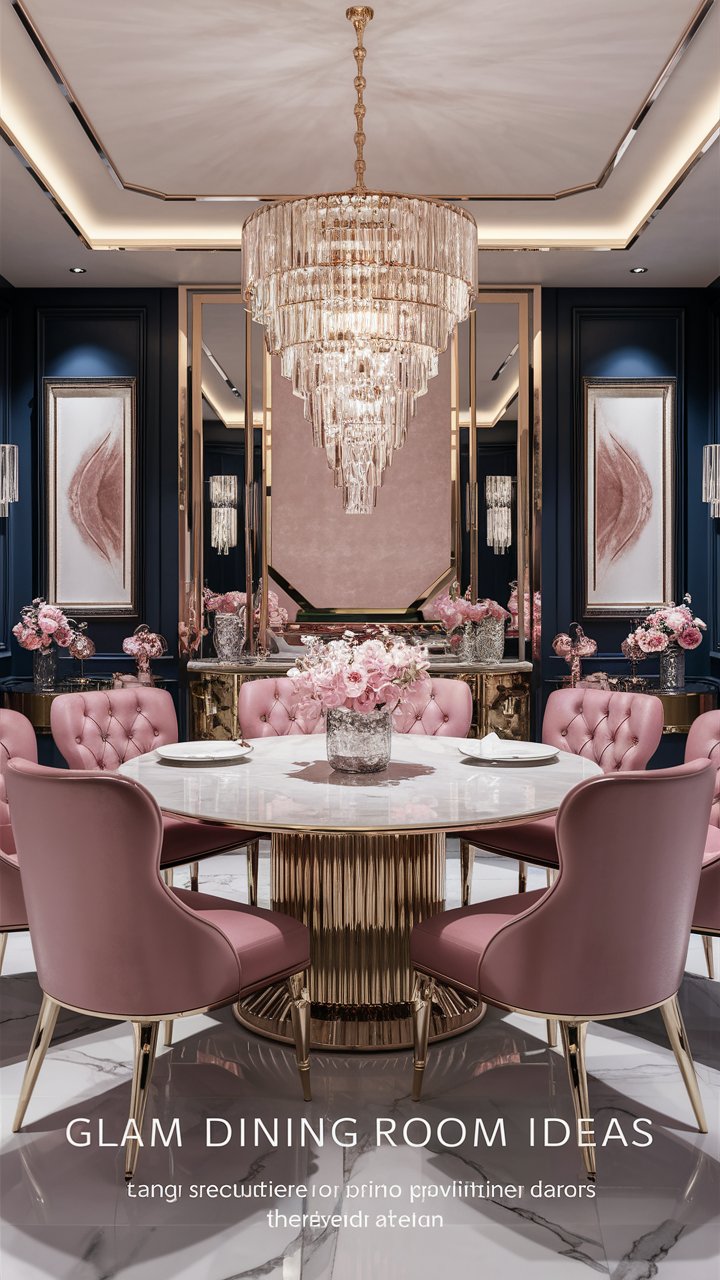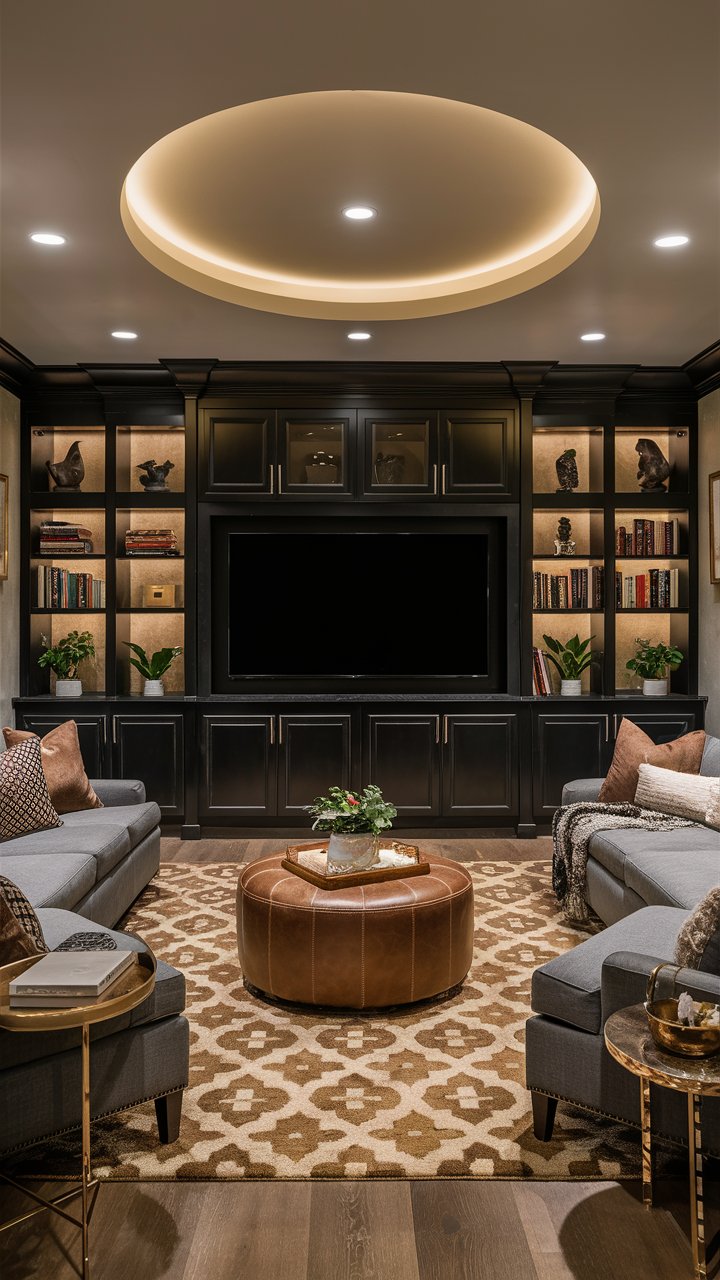
Designing a home theater is about more than just installing a large screen and surround sound system—it’s about creating an immersive atmosphere where every movie night feels like a trip to the cinema. One of the most important elements in achieving that atmosphere is the paint color you choose. The right shade doesn’t just set the mood; it minimizes glare, enhances picture quality, and creates a space that feels cozy, stylish, and fully cinematic.
Whether you want a dramatic dark room that mimics a professional theater or a rich, moody shade that balances comfort and sophistication, paint colors play a vital role. In this guide, we’ll explore 27 home theater paint colors that will transform your entertainment space into the ultimate retreat, plus tips for choosing the best finish, lighting considerations, and expert answers to common questions.
Why Paint Color Matters in a Home Theater
Unlike other rooms in your house, a home theater needs careful attention to wall and ceiling finishes. Light-colored walls reflect light from the screen, washing out the image and reducing contrast. Darker, muted tones absorb light, allowing the screen to pop and ensuring a more cinematic experience.
Beyond function, the color also influences how the room feels. Rich reds add luxury, deep blues provide calm, and moody greens create a grounded vibe. Choosing the right paint is about balancing style, comfort, and functionality.
25 Best Home Theater Paint Colors
1. Midnight Blue
Midnight Blue creates a deep, velvety backdrop perfect for home theaters. Its dark tone absorbs excess light, while its subtle blue undertones add calm and sophistication. Pair it with dimmable sconces or LED strip lighting for a cozy, cinema-like glow.
2. Charcoal Gray
Charcoal Gray strikes the balance between dramatic and inviting. Dark enough to reduce glare but soft enough to avoid feeling too heavy, this color complements both modern and traditional décor styles. It’s especially effective with silver or black accents.
3. Deep Burgundy
If you want your theater to feel luxurious and bold, Deep Burgundy is the way to go. This rich shade echoes the plush curtains and carpets of old Hollywood cinemas. It creates a warm, intimate vibe while helping the screen remain the focal point.
4. Dark Olive Green
For a natural yet moody touch, Dark Olive Green works beautifully. Its earthy undertones bring comfort and depth, making the room feel grounded while still offering the dark quality needed for an immersive theater.
5. Soft Black
Soft Black is perfect if you want the true “cinema” feel without the starkness of pure black. It absorbs reflections effectively and lets your screen shine, but its slightly muted quality makes the room feel inviting rather than stark.
6. Navy Blue
Navy Blue is timeless and elegant. It’s dark enough for a cinematic atmosphere while still carrying a refined personality. This color pairs wonderfully with metallic accents like brass or chrome.
7. Espresso Brown
Espresso Brown adds richness and warmth. Its deep chocolate undertones make the theater feel cozy, while still being dark enough to prevent distracting reflections.
8. Slate Gray
For a modern, versatile look, Slate Gray is an excellent option. This color creates a sleek backdrop that works with almost any furniture or lighting choice while maintaining that all-important light absorption.
9. Dark Teal
Dark Teal combines depth with a hint of personality. The mix of blue and green undertones creates a unique, moody environment that feels stylish and unexpected.
10. Aubergine (Deep Eggplant)
Aubergine offers a luxurious purple tone that adds drama and sophistication. This bold choice works especially well with plush seating, golden lighting, and contemporary décor.
11. Graphite Black
Graphite Black is a softer alternative to jet black, giving you the cinematic benefits without making the space feel completely enclosed. It’s a sleek and modern option, especially in minimalist designs.
12. Maroon
Maroon provides warmth and richness with its deep red tones. It enhances intimacy, making your theater feel like a personal retreat. Add warm ambient lighting for a layered effect.
13. Pewter Gray
Pewter Gray offers a muted, balanced approach. It’s dark enough for function but soft enough to give the space a contemporary edge. It pairs beautifully with leather seating and modern lighting.
14. Hunter Green
Hunter Green brings earthy sophistication to your theater. It absorbs light well while maintaining a sense of comfort and tranquility. This shade works perfectly with wood accents and natural textures.
15. Ink Blue
Ink Blue is bold, modern, and calming all at once. This deep shade leans toward navy but with a slightly cooler edge, giving your theater a fresh, sleek aesthetic.
16. Mocha Brown
Mocha Brown adds a warm, cozy feel. Its medium-dark tone strikes a balance between earthy comfort and cinematic practicality. Great for rooms where you want both functionality and homeliness.
17. Deep Plum

Deep Plum creates a sense of drama and elegance. With its rich purple undertones, it’s a color that absorbs light effectively while adding personality and depth.
18. Onyx Black
For a serious, professional-grade theater look, Onyx Black is unbeatable. It completely eliminates glare, keeping all focus on the screen. Best for dedicated theater rooms where ambiance is key.
19. Chocolate Brown
Chocolate Brown offers a softer, cozier alternative to black. Its warm undertones make the space feel comfortable and inviting while still serving the practical need for light absorption.
20. Ash Gray
Ash Gray gives you a contemporary feel with subtle sophistication. Dark enough to work in a theater, yet cool-toned for a sleek, modern vibe. Ideal for minimalist designs.
21. Cobalt Blue
Cobalt Blue brings vibrancy to a home theater without overwhelming the space. Its richness adds energy while still being dark enough to avoid reflection issues.
22. Deep Taupe
Deep Taupe is neutral, warm, and understated. It provides a soft backdrop that absorbs light while adding elegance and versatility.
23. Blackened Green
Blackened Green is moody, dramatic, and unique. It offers all the benefits of dark paint while adding a subtle twist of color that feels organic and modern.
24. Shadow Gray
Shadow Gray provides a relaxed, cool atmosphere. It’s slightly lighter than charcoal, making it less intense but still effective at minimizing reflections.
25. Obsidian Black
Obsidian Black is the ultimate choice for those who want a true cinematic experience. This ultra-dark shade removes all light distractions, creating a professional theater ambiance at home.
26. Smoky Indigo
Smoky Indigo blends the depth of blue with a subtle gray undertone, creating a moody yet refined feel for a home theater. It absorbs light effectively while still offering a touch of vibrancy. This shade is ideal if you want something darker than navy but more dynamic than charcoal. Pair it with metallic fixtures or velvet seating for an elegant cinematic vibe.
27. Rustic Mahogany
Rustic Mahogany brings warmth, richness, and a hint of old-world luxury. Its dark reddish-brown undertones are reminiscent of traditional theater interiors, making it perfect for those who love a vintage-inspired space. It reduces screen glare while adding character and coziness to the room.
Tips for Choosing the Right Paint Finish
Paint finish is just as important as color. In a home theater:
- Matte or flat finishes are best because they absorb light and reduce reflections.
- Eggshell finishes can work if you want a bit more durability but should still avoid shine.
- Gloss and semi-gloss finishes should be avoided—they reflect too much light and ruin the immersive experience.
Lighting Considerations
Even with the perfect color, lighting sets the final mood. Consider:
- Dimmable sconces or recessed lighting to keep brightness under control.
- LED strip lights behind seating or along steps for a soft glow.
- Warm-toned bulbs (2700K–3000K) for a cozy, inviting effect.
Accent Walls vs Full Room Paint
Some homeowners prefer painting all walls in one dark shade for maximum immersion. Others use a bold color for an accent wall behind the screen while keeping the rest neutral. Both approaches work, depending on whether you want drama or balance.
FAQs
What is the best overall color for a home theater?
Soft black or very dark gray are often the best choices because they minimize reflections and keep the focus on the screen.
Can I use lighter colors in a home theater?
Lighter colors aren’t ideal since they reflect light, but muted mid-tone colors like deep taupe or ash gray can work if the room doubles as a multipurpose space.
Should the ceiling be painted dark too?
Yes—painting the ceiling a dark color prevents light from bouncing back onto the screen.
What about trim and doors?
Painting trim and doors the same dark color as the walls creates a seamless, distraction-free environment.
Conclusion
Creating the perfect home theater isn’t just about technology—it’s about atmosphere. The right paint color makes your screen stand out, reduces distractions, and sets the mood for unforgettable movie nights. From the luxurious drama of Deep Burgundy to the sleek minimalism of Graphite Black, these 27 shades offer a spectrum of options to match any style.
By pairing thoughtful color choices with matte finishes, controlled lighting, and cohesive design, you can turn any spare room or basement into a cinematic retreat. Lights down, popcorn ready—your private theater is only a brushstroke away.