Introduction
Imagine stepping into your kitchen and snipping fresh basil, mint, or rosemary to add straight into your dish. Growing herbs at home has become one of the most popular gardening trends in recent years—not only because herbs are delicious and versatile, but also because they are among the easiest plants to grow. Whether you live in a large home with a backyard or a small apartment with just a balcony or sunny window, you can create a thriving herb garden that fits your space and style.
A herb garden is more than just a collection of green plants. It is a lifestyle upgrade that brings convenience, health benefits, beauty, and sustainability into your daily routine. With herbs, you can enhance your meals, create homemade teas, add fragrance to your home, and even craft natural remedies. Plus, the act of gardening itself provides therapeutic benefits, lowering stress and connecting you with nature.
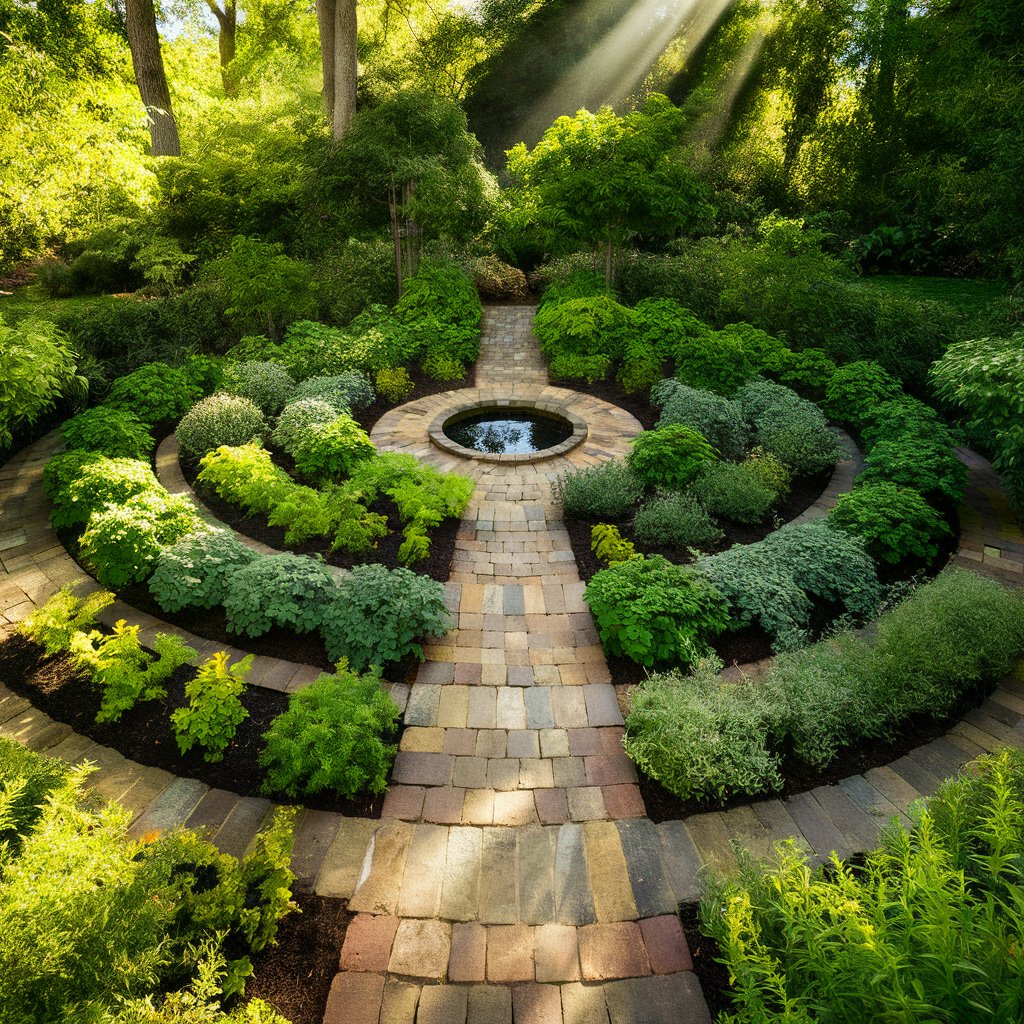
There are endless creative ways to design a herb garden. Some people prefer compact options like jars and hanging baskets, while others love large, structured layouts like spiral or knot gardens. Herbs can be grown indoors or outdoors, in soil or water, in recycled containers or elegant planters. The beauty lies in choosing a style that works for your lifestyle.
In this guide, we’ll explore 27 inspiring herb garden ideas that will help you bring fresh flavors and greenery into your home. Each idea includes not only design inspiration but also practical tips on what herbs to grow, how to care for them, and why they work well for your space.
1. Vertical Herb Garden
A vertical herb garden is a brilliant solution for small spaces. By growing upward instead of outward, you can maximize greenery even on a balcony or patio. Wall-mounted planters, stacked shelves, or pocket planters can hold a wide variety of herbs.
Best for: Basil, parsley, oregano, thyme.
Tips: Ensure enough sunlight by placing it against a sunny wall. Use lightweight soil and water carefully to avoid excess dripping.
This design not only saves floor space but also creates a striking green wall that doubles as natural décor.
2. Pallet Herb Garden
Upcycling an old wooden pallet into a herb garden is both eco-friendly and charming. Each slat of the pallet can hold small pots or directly filled soil pockets for herbs.
Best for: Mint, chives, sage, rosemary.
Tips: Line the pallet with landscaping fabric before filling to prevent soil loss. Place it vertically against a wall for easy access.
This rustic idea fits well in outdoor spaces and adds a touch of farmhouse style to your garden.
3. Window Box Herb Garden
Window boxes are perfect for anyone who loves cooking. Positioned just outside the kitchen window, they give you instant access to fresh herbs while adding greenery to your home exterior.
Best for: Basil, thyme, dill, cilantro.
Tips: Choose a sunny window that gets at least 5–6 hours of light. Use a good drainage system to avoid root rot.
This design blends beauty and practicality, making it a favorite for urban gardeners.
4. Kitchen Counter Herb Garden
For ultimate convenience, set up a mini herb garden right on your kitchen counter. Small pots, jars, or ceramic planters work well for this setup.
Best for: Basil, mint, parsley, chervil.
Tips: Place them near a window or under a grow light. Harvest frequently to encourage new growth.
It not only elevates your cooking experience but also brings a refreshing green touch to your kitchen décor.
5. Hanging Herb Garden
A hanging herb garden adds vertical interest to your space while keeping herbs within easy reach. Hanging baskets, macramé planters, or railing containers all work beautifully.
Best for: Thyme, oregano, mint, trailing herbs.
Tips: Use lightweight soil, water moderately, and ensure secure hanging to handle weight.
This method is especially useful for balconies and patios where floor space is limited.
6. Mason Jar Herb Garden
Turn mason jars into stylish herb containers. They are perfect for small herbs and can be placed on windowsills, shelves, or kitchen counters.
Best for: Parsley, basil, chives, cilantro.
Tips: Add a layer of pebbles at the bottom for drainage. Since jars don’t have holes, water sparingly.
This idea combines simplicity with a touch of modern rustic charm.
7. Perennial Herb Garden
If you prefer long-term growth, focus on perennial herbs that return year after year. They require less replanting and provide a continuous harvest.
Best for: Rosemary, thyme, mint, oregano.
Tips: Plant them outdoors in well-draining soil. Prune regularly to prevent them from becoming woody.
This option saves effort and creates a lasting green landscape.
8. Culinary Herb Garden
Dedicated to kitchen use, a culinary herb garden is designed with flavor in mind. Group your favorite cooking herbs together for easy harvesting.
Best for: Basil, cilantro, dill, parsley, tarragon.
Tips: Keep them in a sunny spot and fertilize lightly every few weeks to boost flavor.
This setup ensures your meals are always enriched with the freshest, homegrown ingredients.
9. Medicinal Herb Garden
Growing herbs with healing properties connects you to ancient traditions. A medicinal herb garden can be both functional and soothing.
Best for: Lavender, chamomile, echinacea, lemon balm.
Tips: Use these herbs for teas, salves, or aromatherapy. Grow in partial sun for best results.
This design encourages natural wellness while adding fragrance and beauty.
10. Aromatic Herb Garden
If you love fragrance, design an aromatic herb garden that fills your space with delightful scents.
Best for: Lavender, mint, lemon verbena, basil.
Tips: Place it near patios or walkways where brushing against the herbs releases fragrance.
An aromatic garden not only refreshes the air but also uplifts your mood daily.
11. Container Herb Garden
Containers offer flexibility—you can move them indoors in winter or rearrange them outdoors easily.
Best for: Basil, rosemary, sage, oregano.
Tips: Choose pots with good drainage. Use lightweight soil and group herbs with similar water needs together.
Container gardening is versatile and works well for beginners.
12. Spiral Herb Garden
A spiral garden is visually striking and makes excellent use of space. By arranging herbs in a spiral mound, you create microclimates for different needs.
Best for: Thyme at the top (drier), parsley in the middle, mint at the bottom (moist).
Tips: Use stones or bricks to build the spiral. Place water-loving herbs lower down.
This design is both artistic and functional.
13. Indoor Hydroponic Herb Garden
Hydroponics allows you to grow herbs without soil, using nutrient solutions instead. It’s clean, modern, and efficient.
Best for: Basil, chives, mint, parsley.
Tips: Invest in a hydroponic kit with LED grow lights. Maintain water pH for healthy growth.
This is ideal for year-round indoor gardening.
14. Tea Herb Garden
For tea lovers, a garden dedicated to herbal teas is a dream.
Best for: Chamomile, mint, lemon balm, hibiscus.
Tips: Dry herbs for storage or use fresh for daily brews.
This garden ensures you always have natural, caffeine-free tea at hand.
15. Edible Flower Herb Garden
Combine herbs with edible flowers for both beauty and taste.
Best for: Calendula, nasturtium, lavender, chive blossoms.
Tips: Mix them into salads, desserts, or teas for flavor and color.
This style makes your garden vibrant while also enhancing your meals.
16. Compact Balcony Herb Garden
Maximize balcony space with railing planters, hanging baskets, and tiered shelves.
Best for: Basil, oregano, thyme, parsley.
Tips: Choose lightweight containers and ensure they’re wind-secure.
Perfect for apartment living, it creates a green oasis in the city.
17. Miniature Fairy Herb Garden
Add a whimsical touch by combining herbs with fairy garden accessories.
Best for: Thyme, oregano, dwarf basil.
Tips: Use small pots or shallow trays and decorate with miniature houses or figurines.
This creative idea is great for children and adds magic to gardening.
18. Recycled Container Herb Garden
Turn old tins, bottles, or buckets into unique planters.
Best for: Mint, parsley, dill, coriander.
Tips: Drill holes for drainage and decorate containers for a personalized look.
This is an eco-friendly way to recycle while growing fresh herbs.
19. Aquatic Herb Garden
For something different, grow herbs in water environments.
Best for: Watercress, mint, taro leaves.
Tips: Use shallow water containers or small ponds. Keep water clean and fresh.
This adds a unique water feature to your space.
20. Rock Wall Herb Garden
Turn cracks and crevices in stone walls into planting spaces.
Best for: Thyme, oregano, creeping rosemary.
Tips: Choose hardy herbs that tolerate less soil. Add compost to pockets before planting.
This rustic idea makes walls come alive with greenery.
21. Wheelbarrow Herb Garden
An old wheelbarrow makes a quirky, mobile garden.
Best for: Basil, parsley, sage.
Tips: Drill drainage holes and line with landscape fabric before adding soil.
It’s portable and adds vintage charm to outdoor areas.
22. Herb Spiral Tower
Take the spiral concept upward with stacked spirals for more planting space.
Best for: Mix of sun-loving and shade-tolerant herbs.
Tips: Build with lightweight materials and ensure stability.
This vertical design is both space-saving and visually impressive.
23. Desktop Herb Garden
Brighten your workspace with small pots of herbs.
Best for: Chives, mint, basil.
Tips: Place near a window or use a small grow light. Water lightly to avoid mess.
It keeps you refreshed and productive throughout the day.
24. Herbal Knot Garden
Inspired by history, a knot garden arranges herbs in intricate geometric patterns.
Best for: Thyme, sage, chamomile, lavender.
Tips: Use low-growing herbs for borders and taller ones for the center.
It’s a beautiful way to blend art with gardening.
25. Herb Garden Border
Line pathways or garden edges with herbs for structure and scent.
Best for: Lavender, rosemary, thyme.
Tips: Space herbs evenly for a clean border. Trim regularly to maintain shape.
This idea defines garden spaces while offering easy harvesting.
26. Tiered Herb Garden
A tiered herb garden uses multi-level planters or stacked shelves to create layers of greenery. It’s perfect for those who want to grow many herbs in a compact space.
Best for: Basil, oregano, cilantro, parsley, thyme.
Tips: Place sun-loving herbs at the top tiers and moisture-loving herbs at the bottom where water collects. This ensures every plant thrives in its natural microclimate.
A tiered garden not only looks neat and decorative but also makes harvesting convenient since everything is visible and accessible.
27. Greenhouse Herb Garden
If you want herbs year-round without worrying about weather changes, a greenhouse herb garden is the way to go. The controlled environment helps herbs grow faster and healthier.
Best for: Basil, dill, coriander, rosemary, lemongrass.
Tips: Monitor humidity and temperature carefully. Group herbs with similar climate needs together for best results.
This setup is especially useful in colder climates, ensuring you always have fresh herbs regardless of the season.
Conclusion
Herb gardens are a unique blend of functionality and beauty. They not only supply you with fresh, flavorful ingredients but also add greenery, fragrance, and charm to your home. Whether you’re working with a sprawling backyard or a tiny balcony, there is an herb garden idea that will suit your space and lifestyle.
From the simplicity of mason jar gardens to the sophistication of knot gardens, the possibilities are endless. Each option connects you to nature, promotes sustainability, and brings daily joy through fresh harvests. Growing your own herbs is also budget-friendly and ensures you know exactly what’s going into your food.